Cedar Elm
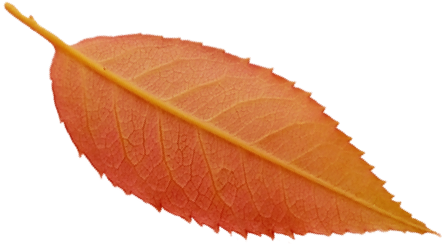
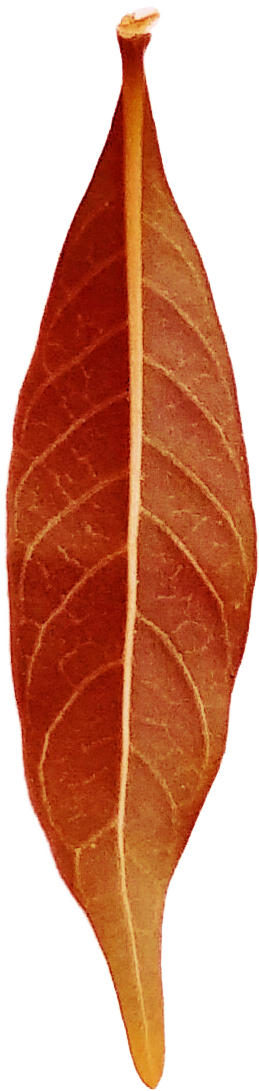
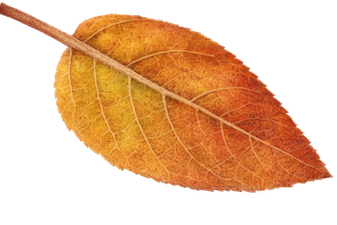
Known for serving dual purposes, the Cedar Elm provides wonderful shade but is also very hardy in adverse conditions as it tolerates both drought and wet soil. Because of this, it is commonly used as a street tree in the desert southwest. However with beauty comes pain, as the Cedar Elm often faces a difficult battle with the Dutch elm disease. It features glossy, dark green leaves that are 1-2” long and are stiff and rough to the touch. The best time to catch it in bloom is late summer-early fall, with clusters of light-green blossoms making their grand entrance. Cedar Elms produce small, round green fruit as well. Wild turkeys, pheasants, quail, squirrels, deer and songbirds enjoy seeds from the Cedar Elm, while dead elms provide perfect nesting sites for cavity-dwelling birds.
Scientific Name: Ulmus crassifolia
Tree Type: Shade
Soil Type: Acidic, Alkaline, Clay, Loamy, Sandy
Good For: Wildlife
Growth Rate: Medium
Sun Preference: Full
Height: 50-70 ft
Hardiness Zone: 6-9

