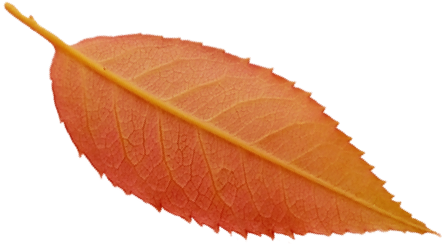

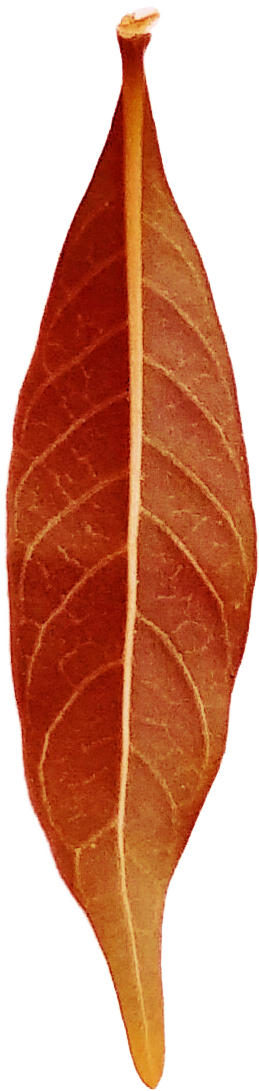
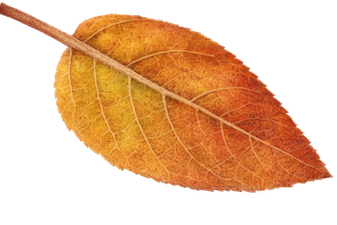
Japanese Pagodatree
The Japanese Pagoda Tree, also known as the Chinese scholar tree, is actually native to China. After being introduced to Japan, it was commonly grown near Buddhist temples, and this plant is important in traditional medicine. Both its leaves and yellowish white flowers are edible. Its flowers only bloom for about three weeks each year. The bark is gray-brown and is marked with wavy ridges. During the Chou Dynasty, it was traditional to plant this tree near the tombs of high officials, and is sometimes also known as the honey tree.
Scientific Name: Styphnolobium japonicum
Tree Type: Native, Shade
Soil Type: Alkaline, Loamy, Sandy
Growth Rate: Medium
Sun Preference: Full, Partial
Height: 50-75 ft
Hardiness Zone: 4-8

